



TRPA1
TRPA1 is a calcium-permeable, non-selective cation channel expressed mainly in nociceptive sensory neurons, where it detects harmful chemical stimuli and amplifies pain transmission[1][2]. Mechanistically, TRPA1 activation drives Ca2+ influx, neuropeptide release, neurogenic inflammation, and hypersensitivity to mechanical or cold stimuli[2][3]. In disease models, TRPA1 contributes to inflammatory pain, diabetic neuropathy, aromatase inhibitor-evoked pain, itch, migraine-related CGRP release, and airway inflammation models[1][4][5][6][7]. Compared with related isoforms, TRPA1 responds broadly to reactive oxidative, nitrative, and carbonyl stress products, while TRPV1 and TRPV4 represent functionally related but distinct TRP channels in pain and inflammation studies[3][8]. For experimental applications, AITC and JT010 activate TRPA1, whereas HC-030031, A967079, TCS 5861528, pinosylvin, and dual TRPV4/TRPA1 inhibitors support mechanistic studies of TRPA1-dependent calcium influx, cytokine production, edema, and pain behavior[6][7][8][9].
References:
- [1]. Koivisto A, et al. TRPA1 Antagonists for Pain Relief. Pharmaceuticals (Basel). 2018 Nov 1;11(4):117. [Content Brief]
- [2]. Bautista DM, et al. TRPA1: A gatekeeper for inflammation. Annu Rev Physiol. 2013;75:181-200. [Content Brief]
- [3]. Iannone LF, et al. Neuronal and non-neuronal TRPA1 as therapeutic targets for pain and headache relief. Temperature (Austin). 2022 May 29;10(1):50-66. [Content Brief]
- [4]. De Logu F, et al. TRPA1 Mediates Aromatase Inhibitor-Evoked Pain by the Aromatase Substrate Androstenedione. Cancer Res. 2016 Dec 1;76(23):7024-7035. [Content Brief]
- [5]. Cevikbas F, et al. A sensory neuron-expressed IL-31 receptor mediates T helper cell-dependent itch: Involvement of TRPV1 and TRPA1. J Allergy Clin Immunol. 2014 Feb;133(2):448-60. [Content Brief]
- [6]. Belinskaia M, et al. Bipartite Activation of Sensory Neurons by a TRPA1 Agonist Allyl Isothiocyanate Is Reflected by Complex Ca2+ Influx and CGRP Release Patterns: Enhancement by NGF and Inhibition with VAMP and SNAP-25 Cleaving Botulinum Neurotoxins. Int J Mol Sci. 2023 Jan 10;24(2):1338. [Content Brief]
- [7]. Singh U, et al. Investigation of the Pathomechanism of Chronic Cough Using an In Vitro Approach. Clin Exp Allergy. 2025 Mar;55(3):247-249. [Content Brief]
- [8]. Kanju P, et al. Small molecule dual-inhibitors of TRPV4 and TRPA1 for attenuation of inflammation and pain. Sci Rep. 2016 Jun 1;6:26894. [Content Brief]
- [9]. Moilanen LJ, et al. Pinosylvin Inhibits TRPA1-Induced Calcium Influx In Vitro and TRPA1-Mediated Acute Paw Inflammation In Vivo. Basic Clin Pharmacol Toxicol. 2016 Mar;118(3):238-42. [Content Brief]
-
TRPA1 관련 제품 (35)
관련 제품 (35)

- 1
- 2
-
Lazertinib
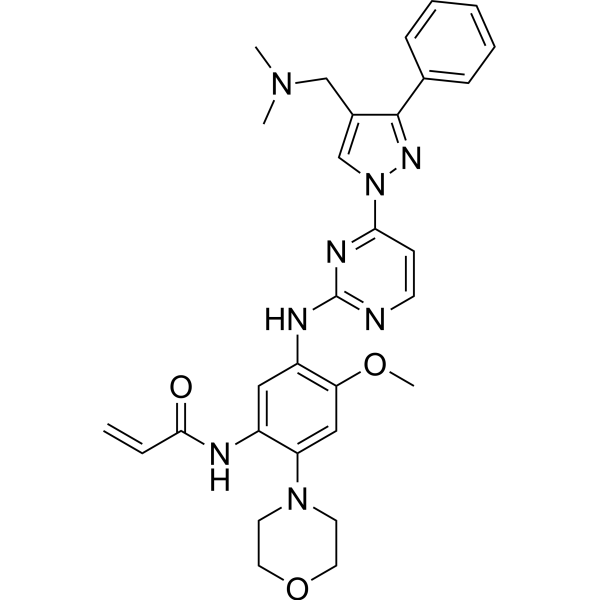 0 ImagesSynonyms: YH25448; GNS-1480Lazertinib (YH25448; GNS-1480) is an orally active, blood-brain barrier permeable third-generation EGFR tyrosine kinase inhibitor, as well as an ABCB1/ABCG2 inhibitor and a TRPA1 activator. Lazertinib exhibits IC50 values of 0.4 mM and 0.2 mM against human ABCB1 and ABCG2, respectively. By inhibiting mutant EGFR signaling, EGFR phosphorylation and the downstream ERK/AKT pathway, as well as upregulating surface expression of EGFR/MET, Lazertinib induces cell cycle arrest, apoptosis, spontaneous calcium responses, hyperexcitability of dorsal root ganglion (DRG) neurons, and TRPA1-dependent pain-like behaviors. Lazertinib competitively binds to the substrate-binding sites of ABCB1/ABCG2, stimulates their ATPase activity without altering their expression or plasma membrane localization, thereby enhancing ADCC activity, acting as a chemosensitizer, and reversing ABCB1-mediated multidrug resistance. It exerts antitumor activity as a single agent or in combination with other drugs. Lazertinib is applicable to research related to non-small cell lung cancer, multidrug-resistant cancers, and paresthesia.
-
LE135
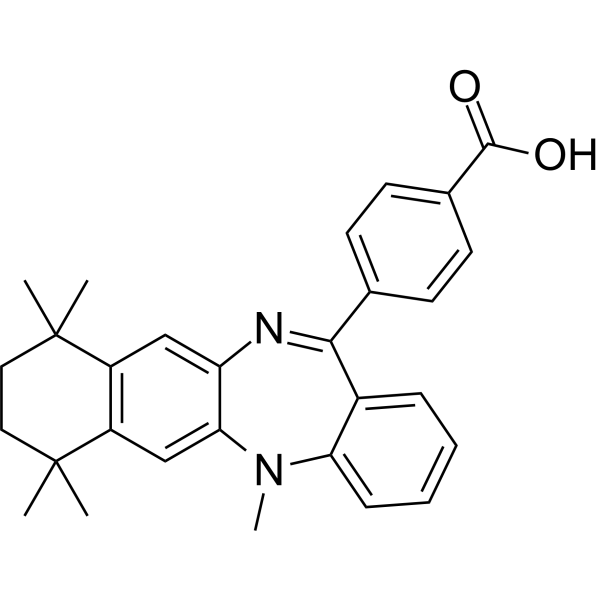 0 ImagesLE135 is a potent RAR antagonist that binds selectively to RARα (Ki of 1.4 μM) and RARβ (Ki of 220 nM), and has a higher affinity to RARβ. LE135 is highly selective over RARγ, RXRα, RXRβ and RXRγ. LE135 is also a potent TRPV1 and TRPA1 receptors activator with EC50s of 2.5 μM and 20 μM, respectively.
-
AP-18
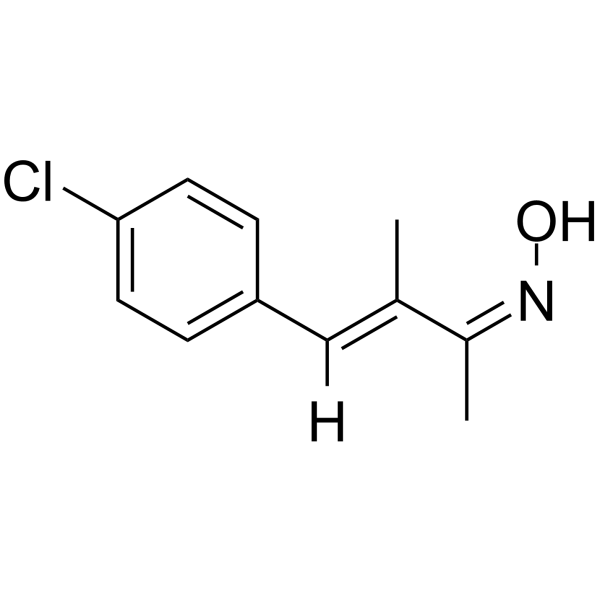 0 ImagesAP-18, a potent and selective TRPA1 inhibitor, blocks activation of TRPA1 by 50 μM Cinnamaldehyde with an IC50 of 3.1 μM and 4.5 μM for human and mouse TRPA1, respectively. AP-18 reverses complete Freund's adjuvant (CFA)-induced mechanical hyperalgesia in mice. AP-18 attenuated 30 μM AITC-induced Yo-Pro uptake in a concentration-dependent manner, with an IC50 of 10.3 μM.
-
Lazertinib mesylate
 0 ImagesSynonyms: YH25448 mesylate; GNS-1480 mesylateLazertinib (YH25448; GNS-1480) mesylate is an orally active, blood-brain barrier permeable third-generation EGFR tyrosine kinase inhibitor, as well as an ABCB1/ABCG2 inhibitor and a TRPA1 activator. Lazertinib mesylate exhibits IC50 values of 0.4 mM and 0.2 mM against human ABCB1 and ABCG2, respectively. By inhibiting mutant EGFR signaling, EGFR phosphorylation and the downstream ERK/AKT pathway, as well as upregulating surface expression of EGFR/MET, Lazertinib mesylate induces cell cycle arrest, apoptosis, spontaneous calcium responses, hyperexcitability of dorsal root ganglion (DRG) neurons, and TRPA1-dependent pain-like behaviors. Lazertinib mesylate competitively binds to the substrate-binding sites of ABCB1/ABCG2, stimulates their ATPase activity without altering their expression or plasma membrane localization, thereby enhancing ADCC activity, acting as a chemosensitizer, and reversing ABCB1-mediated multidrug resistance. It exerts antitumor activity as a single agent or in combination with other drugs. Lazertinib mesylate is applicable to research related to non-small cell lung cancer, multidrug-resistant cancers, and paresthesia.
-
AMG2504
 0 ImagesCat. No.: HY-15058CAS No.: 202342-22-1AMG2504 is a TRPA1 antagonist with an IC50 value of 35 nM against human TRPA1. AMG2504 inhibits human TRPA1 activation induced by AITC and noxious cold stimulation. AMG2504 is applicable to research related to chronic pain.
-
Nepetalactone
 0 ImagesNepetalactone is a TRPA1 agonist (EC50 = 172.5-698.4 μM) and antibacterial agent that can be present in the essential oils of Nepeta crispa and Nepeta rtanjensis. Nepetalactone activates TRPA1 orthologs through a conserved cysteine-rich CVT motif, triggering calcium influx, thereby driving pest aversion through PKCα and attracting predators through CaMKII, and can suppress pests in the field. Nepetalactone inhibits bacterial and fungal biofilms and produces additive interactions with 1,5,9-eDLA and RA. Nepetalactone induces ROS production in macrophages. Nepetalactone can be used in research related to foodborne infections, pest control, and bacterial and fungal infections.
-
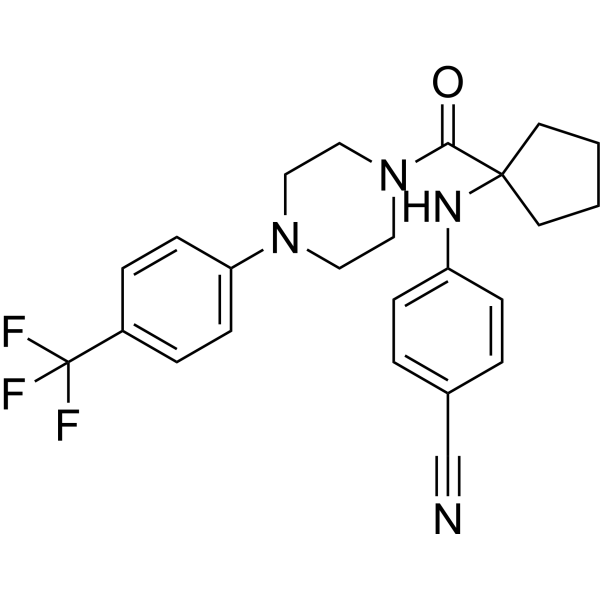
Chembridge-5861528
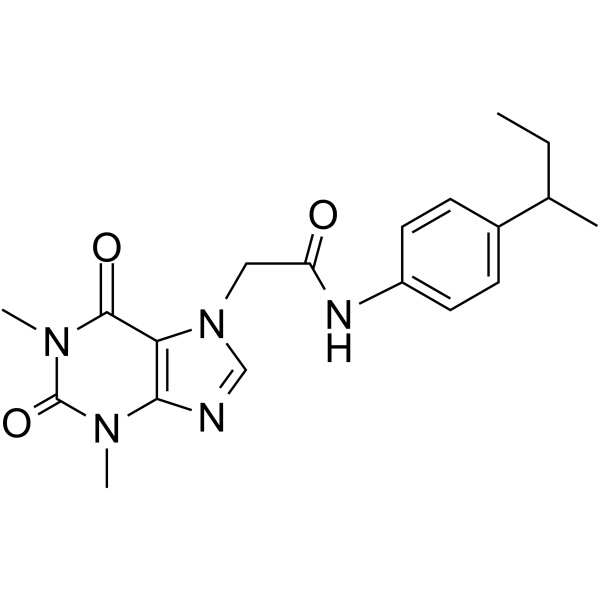 0 ImagesSynonyms: TCS 5861528
-
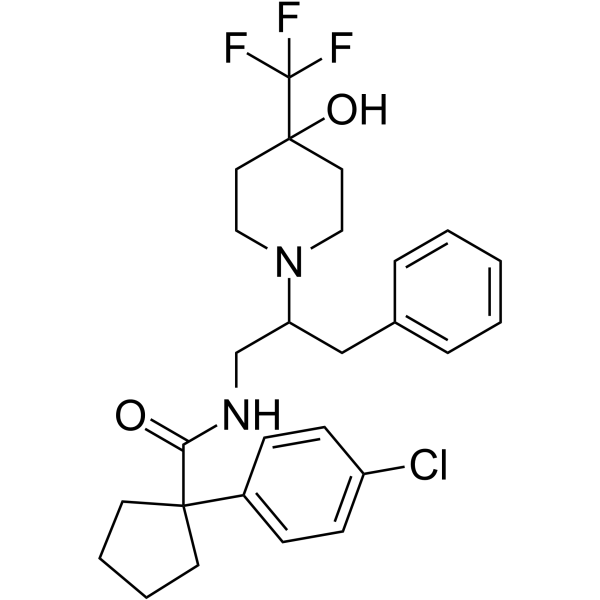
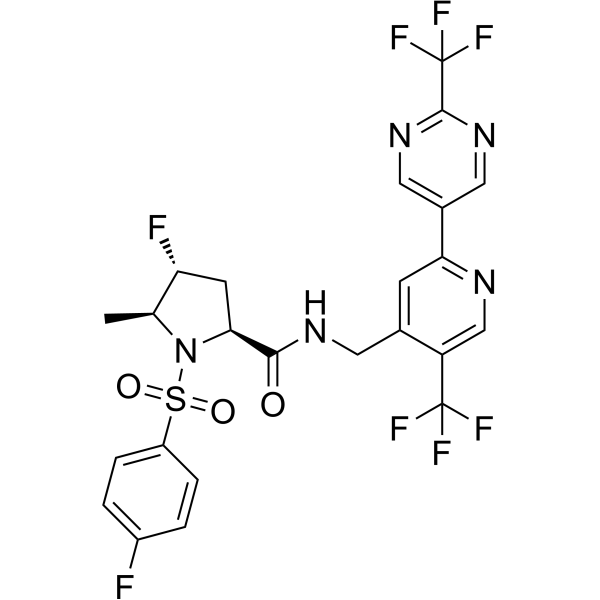
LY3526318
 0 ImagesLY3526318 is an orally active, selective TRPA1 antagonist (IC50=5-6μM). LY3526318 blocks TRPA1 channels, inhibits pain signal transduction mediated by the channel, and exerts analgesic activity. LY3526318 is mainly used in the research of chronic pain-related fields, such as diabetic peripheral neuropathy, chronic low back pain, and pain caused by osteoarthritis.
-
Artepillin C
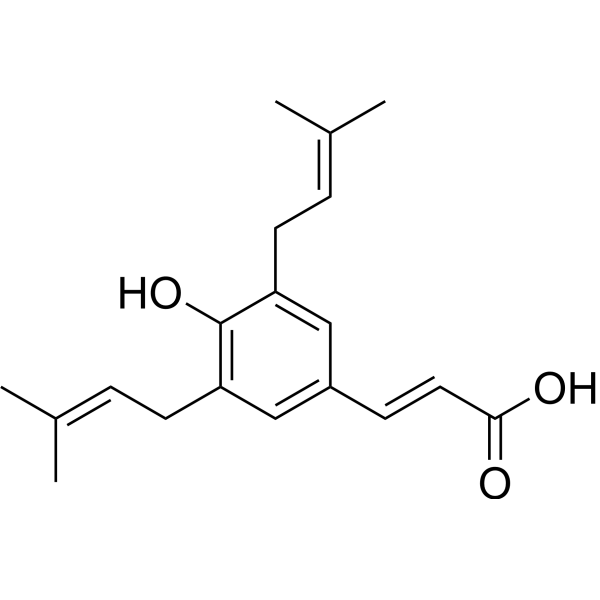 0 ImagesArtepillin C is an orally active CREB/CRTC2 inhibitor and TRPA1 covalent agonist (EC50=1.8 μM). Artepillin C inhibits CREB/CRTC2-mediated gene transcription and downregulates BMAL1 expression to regulate glucose and lipid metabolism. Artepillin C can also activate TRPA1 channels to induce spicy taste signals. Artepillin C can inhibit tumor cell proliferation, induce necroptosis, improve insulin resistance and inhibit liver lipid synthesis. Artepillin C can be used in the study of metabolic syndrome, tumor prevention and treatment, and inflammation.
-
AS1269574
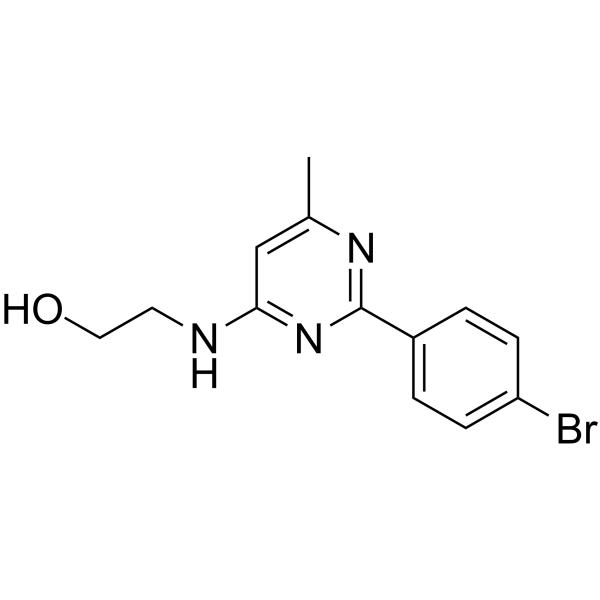 0 ImagesAS1269574 is a potent, orally available GPR119 agonist, with an EC50 of 2.5 μM in HEK293 cells expressing human GPR119. AS1269574 activates TRPA1 cation channels to stimulate glucagon-like peptide-1 (GLP-1) secretion. AS1269574 specifically induces glucose-dependent insulin secretion from pancreatic β-cells only under high-glucose conditions. AS1269574 has the potential for the research of type 2 diabetes.
-
1,4-Cineole
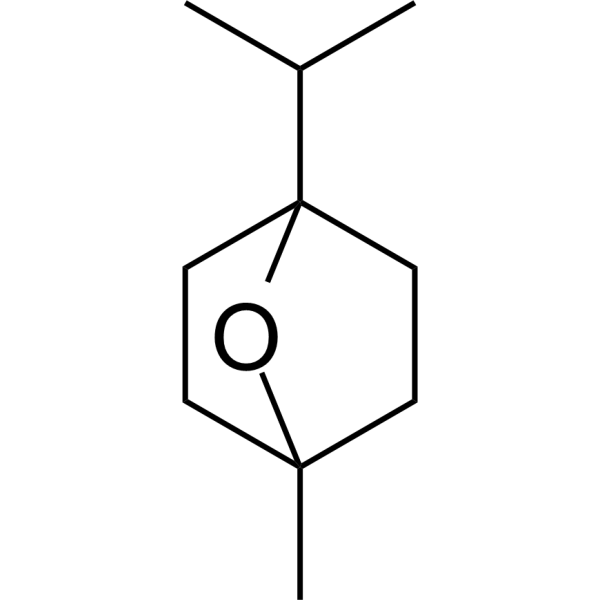 0 Images1,4-Cineole is an oxygenated monoterpene found in eucalyptus oil. 1,4-Cineole is a hTRPM8 and hTRPA1 agonist. 1,4-Cineole can increase intracellular Ca2+ concentration. 1,4-Cineole exhibits anti-anxiety and anti-depression effects. 1,4-Cineole can be used for the research of neurological disease, such as depression .
-
ProTx-I
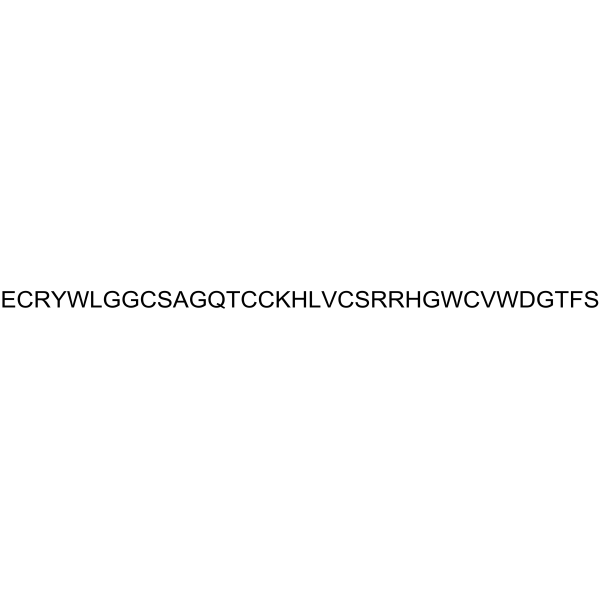 0 ImagesProTx-I is a toxin derived from Thrixopelma pruriens and a peptide inhibitor targeting TTX-resistant sodium channels. ProTx-I interacts with voltage sensors of multiple domains such as NaV1.7, reduces neuronal excitability through allosteric modulation of channel gating and alteration of voltage dependence. The IC50 values of ProTx-I against human NaV1.7, NaV1.2, NaV1.6, and NaV1.5 are 95 nM, 104 nM, 21 nM, and 358 nM, respectively; ProTx-I also potently inhibits Ba2+ currents of hCav3.1, while its inhibitory potency against hCav3.2 is approximately 160-fold lower. ProTx-I is applicable to the research of chronic pain.
-
1,4-Cineole (Standard)
 0 Images1,4-Cineole (Standard) is the analytical standard of 1,4-Cineole (HY-N7117). 1,4-Cineole is an oxygenated monoterpene found in eucalyptus oil. 1,4-Cineole is a hTRPM8 and hTRPA1 agonist. 1,4-Cineole can increase intracellular Ca2+ concentration. 1,4-Cineole exhibits anti-anxiety and anti-depression effects. 1,4-Cineole can be used for the research of neurological disease, such as depression .
-
TRPV1 antagonist 10
 0 ImagesTRPV1 antagonist 10 is an orally active and potent TRPV1 antagonist (IC50 = 33.06 nM), moderate to weak URAT1 (IC50 = 22.51 μM) and GLUT9 (60.25% at 50 μM) inhibitor. TRPV1 antagonist 10 has analgesic and urate-lowering effect. TRPV1 antagonist 10 can be studied for research in hyperuricemia and inflammatory pain.
-
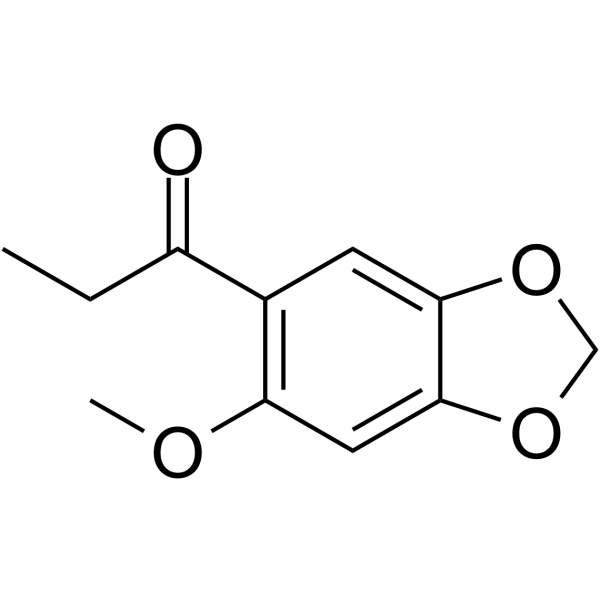
TRPA1 agonist-3
 0 ImagesTRPA1 agonist-3 is a selective and orally active TRPA1 agonist, with EC50 values of 50.05 μM and 314.04 μM for human and mouse TRPA1, respectively. TRPA1 agonist-3 does not activate hTRPV1, mTRPV2, hTRPV3, hTRPV4, hTRPC6, or hTRPM8 channels. TRPA1 agonist-3 alleviates inflammatory pain in mice through a channel desensitization mechanism.
-
Lazertinib mesylate hydrate
 0 ImagesCat. No.: HY-109061ACAS No.: 2411549-88-5Synonyms: YH25448 mesylate hydrate; GNS-1480 mesylate hydrateLazertinib (YH25448; GNS-1480) mesylate hydrate is an orally active, blood-brain barrier permeable third-generation EGFR tyrosine kinase inhibitor, as well as an ABCB1/ABCG2 inhibitor and a TRPA1 activator. Lazertinib mesylate hydrate exhibits IC50 values of 0.4 mM and 0.2 mM against human ABCB1 and ABCG2, respectively. By inhibiting mutant EGFR signaling, EGFR phosphorylation and the downstream ERK/AKT pathway, as well as upregulating surface expression of EGFR/MET, Lazertinib mesylate hydrate induces cell cycle arrest, apoptosis, spontaneous calcium responses, hyperexcitability of dorsal root ganglion (DRG) neurons, and TRPA1-dependent pain-like behaviors. Lazertinib mesylate hydrate competitively binds to the substrate-binding sites of ABCB1/ABCG2, stimulates their ATPase activity without altering their expression or plasma membrane localization, thereby enhancing ADCC activity, acting as a chemosensitizer, and reversing ABCB1-mediated multidrug resistance. It exerts antitumor activity as a single agent or in combination with other drugs. Lazertinib mesylate hydrate is applicable to research related to non-small cell lung cancer, multidrug-resistant cancers, and paresthesia.
- 1
- 2



